


How to Answer Common Misconceptions with Confidence at The Tiara Pageant Training Studio


“People think I am arrogant because I am quiet.”
That answer may be honest, but in a pageant interview, it can land too heavy. The question, “What is one misconception people have about you?”, is not an invitation to defend yourself, complain, or prove people wrong. It is a chance to show self-awareness, warmth, and emotional maturity.
This is why The Tiara Pageant Training Studio treats this question as more than a tricky interview prompt. It is a test of how well a contestant understands her own personality, how she handles judgement, and how gracefully she can turn a negative assumption into a stronger truth.
A good answer does three things:
It names the misconception clearly.
It corrects it without sounding defensive.
It reveals a positive quality through a short example.
The goal is not to sound perfect. The goal is to sound real, calm, and sure of yourself.
Why pageant judges ask about misconceptions
Pageant interviews are not only about polished answers. Judges want to see how a contestant thinks under pressure. A question about misconception is useful because it reveals several things at once.
It shows whether you can handle criticism. It also shows whether you understand how others see you. Most of all, it shows whether you can stay composed when the topic becomes personal.
Many contestants make the mistake of taking the word “misconception” as an attack. They hear the question and feel the need to protect themselves.
A stronger contestant sees it differently. She treats the question as a chance to say, “Here is what people may assume, and here is what they learn when they know me better.”
That shift changes the whole answer.
For example, there is a big difference between these two responses:
“People think I am rude, but I am not. They just don’t understand me.”
This sounds irritated and closed off.
Now compare it with:
“One misconception people sometimes have is that I am reserved because I am uninterested. In reality, I observe first because I like to understand people before I speak. Once I feel connected, I am very expressive and involved.”
This answer is calm. It gives context. It also turns quietness into thoughtfulness without insulting anyone.
That is exactly what judges are listening for.
What makes a misconception answer strong
A strong answer does not need to be dramatic. In fact, simple answers often work better. The best responses feel honest, balanced, and easy to follow.
At The Tiara Pageant Training Studio, a useful structure for this answer is:
Name the misconception
Explain the truth
Support it with a short example
End with growth or gratitude
This gives the answer a clear shape without making it sound rehearsed.
Here is the structure in action:
“A misconception people sometimes have about me is that I am too serious. The truth is, I care deeply about the things I commit to, so I may look very focused at first. But people who know me well know that I enjoy humour, music, and spending time with my friends. I have learnt that I can be dedicated and still show my lighter side more openly.”
This works because the contestant does not deny the observation completely. She accepts that people may see her as serious, then explains the deeper truth.
That is important. If you say, “People think I am serious, but they are completely wrong,” it can sound as if you reject feedback. If you say, “I can appear serious at first because I am focused,” you sound self-aware.
The strongest answers usually sit in that balanced space.
Misconceptions that work well in pageant interviews
Not every misconception is a good choice for a stage or judging room. Some topics may invite too much explanation, and some may make the contestant sound bitter.
Choose a misconception that is personal but not damaging. It should reveal a trait that can be reframed positively.
Good options include:
Being quiet
Being too serious
Being overly confident
Being shy
Being emotional
Being too ambitious
Being reserved
Being perfectionistic
Being privileged
Being delicate or unable to handle pressure
The answer should point towards character growth. It should not focus on blame.
Here are a few examples.
If people think you are shy
“One misconception people have about me is that I am shy. I am actually someone who takes time to open up because I value genuine connections. Once I feel comfortable, I enjoy sharing my ideas and taking initiative. Pageantry has helped me become more confident in expressing myself even in new spaces.”
This answer shows growth. It also connects naturally to the pageant journey.
If people think you are overconfident
“A misconception people may have about me is that I am overconfident. I think that comes from the way I carry myself, because I have worked hard on my posture and communication. The truth is that I still get nervous, but I have learnt to prepare well and trust myself. For me, confidence is not the absence of fear. It is choosing to show up with courage.”
This is a strong pageant answer because it softens confidence without apologising for it.
If people think you are too emotional
“One misconception people have about me is that being emotional makes me weak. I see my emotions as a sign that I care deeply. Over time, I have learnt to express my feelings with clarity rather than react in the moment. That has made me more compassionate and more balanced.”
This answer positions emotion as sensitivity plus maturity.
If people think you are privileged
“A misconception people sometimes have about me is that everything has come easily to me. I understand why it may look that way from the outside, but my journey has required discipline, setbacks, and constant learning. I am grateful for the support I have received, and I also know the effort I put in every day to grow.”
This answer is careful. It does not sound defensive, and it does not deny support. It combines gratitude with effort.
What to avoid when answering this question
This question becomes risky when the answer sounds like a complaint. Judges may not remember every word, but they will remember the feeling your answer leaves behind.
Avoid these common mistakes.
Do not attack other people
An answer like “People judge me without knowing me” may be true, but it can sound harsh. A pageant interview needs grace under pressure.
Instead of saying:
“People judge me because they are jealous.”
Say:
“People may form an impression before they know my full story, and I see that as an opportunity to let my actions speak with consistency.”
The second version is more mature.
Do not choose a misconception that raises concern
Avoid answers that may make judges question your suitability. For example:
“People think I am irresponsible.”
“People think I am rude.”
“People think I cannot work with others.”
“People think I give up easily.”
Even if you explain well, these can create doubt. Choose a misconception that can be reframed into a strength without sounding forced.
Do not make the answer too long
A pageant interview answer should be clear and controlled. If you need too much backstory, choose another misconception.
Aim for about 30 to 45 seconds. That is usually enough time to answer with depth while keeping the energy alive.
Do not sound memorised
Preparation is good. Mechanical delivery is not. Judges can tell when a contestant is reciting a perfect paragraph.
Practise your answer until you know the idea, not just the words. That way, your voice stays natural.
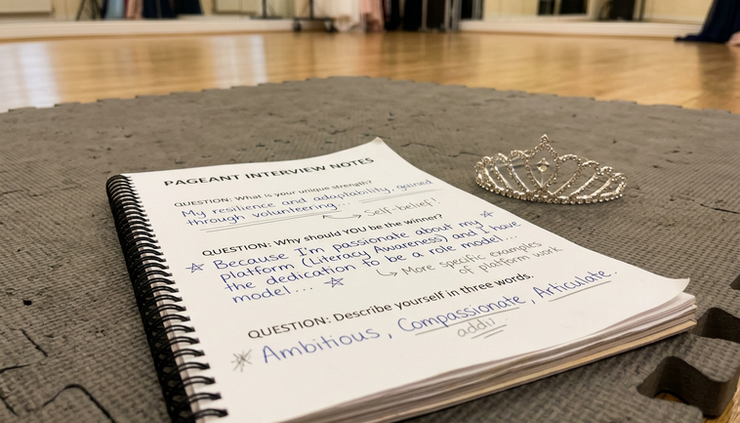
A simple formula you can practise
If you find this question difficult, use this sentence flow:
“One misconception people have about me is...”
Then add:
“In reality...”
Then:
“For example...”
Then close with:
“I have learnt...”
Here is how it sounds when complete:
“One misconception people have about me is that I am quiet because I lack confidence. In reality, I take time to listen before I speak because I like to understand the situation clearly. For example, in group activities, I may not speak first, but I often help organise ideas and bring people together. I have learnt that confidence can be calm, and I am proud of that part of myself.”
This is simple, polished, and personal. It also avoids sounding like a speech.
You can adapt the same flow to almost any suitable misconception.
For “too ambitious”:
“One misconception people have about me is that I am too ambitious. In reality, I set high goals because I believe growth requires discipline. For example, when I commit to something, I plan my time and follow through even when it is difficult. I have learnt to balance ambition with patience and kindness.”
For “too sensitive”:
“One misconception people have about me is that I am too sensitive. In reality, I notice emotions and details deeply, which helps me understand people better. For example, I am often the person friends come to when they need someone to listen. I have learnt to protect my peace while still leading with empathy.”
The formula works because it keeps the answer grounded. You are not just saying who you are. You are showing how that quality appears in real life.
How to make your answer sound natural
A pageant answer should never feel like it came from someone else. The judges want your voice, not a perfect quote.
To make your answer natural, start by writing it the way you actually speak. Then clean it up. Remove repeated words. Replace vague phrases with specific ones.
For example, instead of saying:
“I am a very good person and people misunderstand me.”
Try:
“People sometimes see my silence as distance, but I am usually taking time to listen properly.”
That answer feels more specific and mature.
Use details from your life, but keep them short. You do not need a long incident from school, college, work, or family life. One small example is enough.
A good example might mention:
How you behave in a group
How you prepare for responsibilities
How you respond to pressure
How pageant training has helped you grow
How your friends or family understand you better over time
Your body language matters too. When answering this question, keep your expression soft. Do not look annoyed by the misconception. Smile gently if it fits the answer. Keep your tone steady.
The message should be: “I understand why someone may think that, but here is the fuller picture.”
That attitude shows confidence.
How The Tiara Pageant Training Studio helps refine this answer
A question like this can look simple on paper, but delivery changes everything. The same words can sound defensive, nervous, graceful, or powerful depending on tone, pause, eye contact, and facial expression.
That is where guided pageant training helps.
At The Tiara Pageant Training Studio, contestants learn how to shape answers that are polished without losing honesty. The training focuses on clarity, presence, and personal story. A contestant does not need to copy someone else’s answer. She needs to discover the answer that fits her personality.
The process often includes:
Identifying personal traits that may be misunderstood
Choosing a safe and meaningful misconception
Reframing it into a strength
Practising the answer aloud
Improving pace, pause, and posture
Learning how to sound confident without sounding rehearsed
The best pageant answers are not built from fancy words. They are built from truthful ideas, clear structure, and calm delivery.
Sample answers you can adapt
Use these as inspiration, not as scripts to copy word for word.
Misconception about being quiet
“One misconception people have about me is that I am quiet because I do not have much to say. In reality, I like to listen first and understand people before I share my thoughts. When I do speak, I try to be thoughtful and clear. I have learnt that my calm nature is a strength, especially in situations that need patience.”
Misconception about confidence
“A misconception people have about me is that confidence comes easily to me. The truth is that I have worked on it step by step. I still feel nervous before important moments, but preparation helps me trust myself. My confidence is built through effort, not perfection.”
Misconception about being strong
“One misconception people have about me is that because I appear strong, I do not need support. In reality, I value support deeply, and I am grateful for the people who encourage me. Strength, for me, includes knowing when to ask for help and when to stand firm.”
Misconception about being ambitious
“A misconception people have about me is that I am always chasing success. The truth is that I am driven because I care about making the most of my opportunities. I also value balance, relationships, and learning from the journey. Ambition has taught me discipline, but humility keeps me grounded.”
The answer judges remember
When asked, “What is one misconception people have about you?”, do not rush to prove people wrong. Pause. Smile. Answer with honesty.
Pick a misconception that reveals depth. Explain the truth with grace. Give one short example. End with what you have learnt about yourself.
That kind of answer shows more than interview preparation. It shows character.
The strongest response is not the one that sounds the most impressive. It is the one that helps judges see you more clearly than they did before.
Pageant Coaching & Grooming at The Tiara for Femina Miss India Miss India Universe, Miss Teen Diva, Miss Grand India, Miss Diva, Miss Earth India, & Mrs India The Tiara Pageant Training Studio, The Tiara Pageant Coaching, Pageant Training Pune, Pageant Coaching Mumbai, Pageant Grooming Delhi, Pageant Coaching Bangalore, Best Pageant Training Institute India, Femina Miss India Training, Miss Universe India Coaching, Miss Teen Diva Coaching, Miss Diva Training, Mrs India Grooming 2027/2028/2029/2030
www.thetiara.net | contactus@thetiara.net | +91 98231 56193


Comments